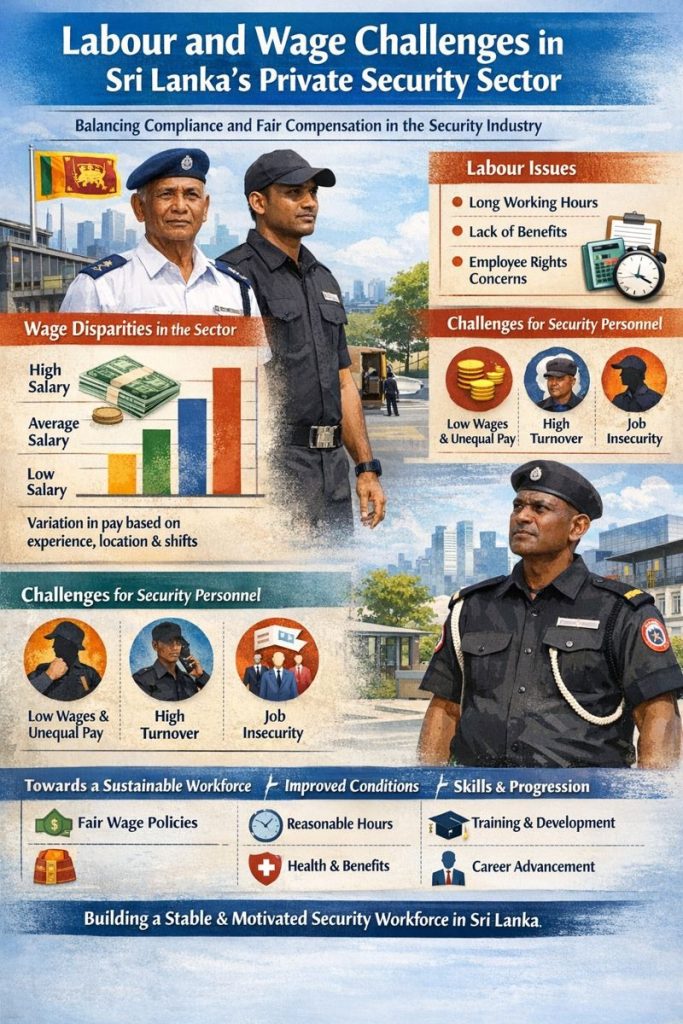
Labour and wage-related issues continue to shape crucial discussions across the island. As national minimum wage policies evolve, the private security sector faces increasing pressure from broader labor reforms introduced across the economy. Consequently, security service providers must balance regulatory compliance while maintaining long-term financial sustainability.
Addressing these structural hurdles is vital for retaining skilled personnel and elevating the overall industry.
Navigating Wage Disparities and Workforce Retention
Industry data highlights significant variation in salary levels among security personnel. In fact, these compensation gaps reflect differences in experience, operational location, shift patterns, and client requirements. Therefore, this wage disparity fuels ongoing dialogue around fair pay and career viability.
Key areas currently under review by regulators and industry leaders include:
- Fair Compensation Models: Establishing transparent salary structures that adjust realistically to rising living costs.
- Working Hours and Welfare: Regulating shift durations and mandatory rest periods to prevent guard fatigue.
- Statutory Compliance: Ensuring consistent EPF and ETF contributions alongside standard medical protections.
- Skills-Based Progression: Rewarding specialized training in conflict resolution, fire safety, and surveillance monitoring.
Strengthening the Future of the Private Security Sector
Resolving these fundamental challenges is essential for building a dedicated and motivated workforce. Furthermore, aligning local employment practices with global workforce standards governed by International Labour Organization benchmarks guarantees operational excellence.
When security companies invest meaningfully in workforce welfare, they drastically reduce employee turnover. As a result, commercial clients receive far more dependable, alert, and professional protective coverage.
A resilient security operation starts with a well-supported team. Discover our dedication to high professional standards and reliable protection with Manko Security.


